
Motivating employees to do their best, especially when things are unsettled, is one of a manager’s hardest jobs. In the past few years, many companies have had to deal with faster change than they were used to. Technology has moved quickly, politics has become less predictable, and wars in Ukraine and the Middle East have affected markets, costs, and confidence. In that kind of climate, motivation does not “look after itself”. It needs attention.
A useful way to think about motivation comes from research discussed in an an article in the Harvard Business Review by Nitin Nohria, Boris Groysberg, and Linda-Eling Lee. They argue that motivation is closely linked to four emotional drives:
- Acquire (to gain rewards and recognition)
- Bond (to belong and connect)
- Comprehend (to learn and make sense of work)
- Defend (to feel safe, treated fairly, and respected)
At Gislen Software, our experience matches this model. It also reminds us of something practical. Motivation is not one programme. It is a set of conditions that people notice every day.
Four drives behind employee motivation
1) The drive to acquire

People want to feel that effort leads to fair outcomes. That includes salary and promotion, but also recognition, responsibility, and trust.
What we try to do at Gislen Software:
- Keep rewards clear and understandable. If people do not know what “good performance” looks like, rewards will feel random.
- Mark commitment and contribution. For example, during our 30th anniversary celebration we recognised long-term service and key milestones.
- Keep improving fairness and transparency. This is an area where every company can do better, including us. We need systems people believe in, not just systems that exist on paper.
2) The drive to bond
People work better when they feel they belong. Bonding is not about forced cheer. It is about trust, shared habits, and knowing you are not alone when work gets difficult.
What we do today:
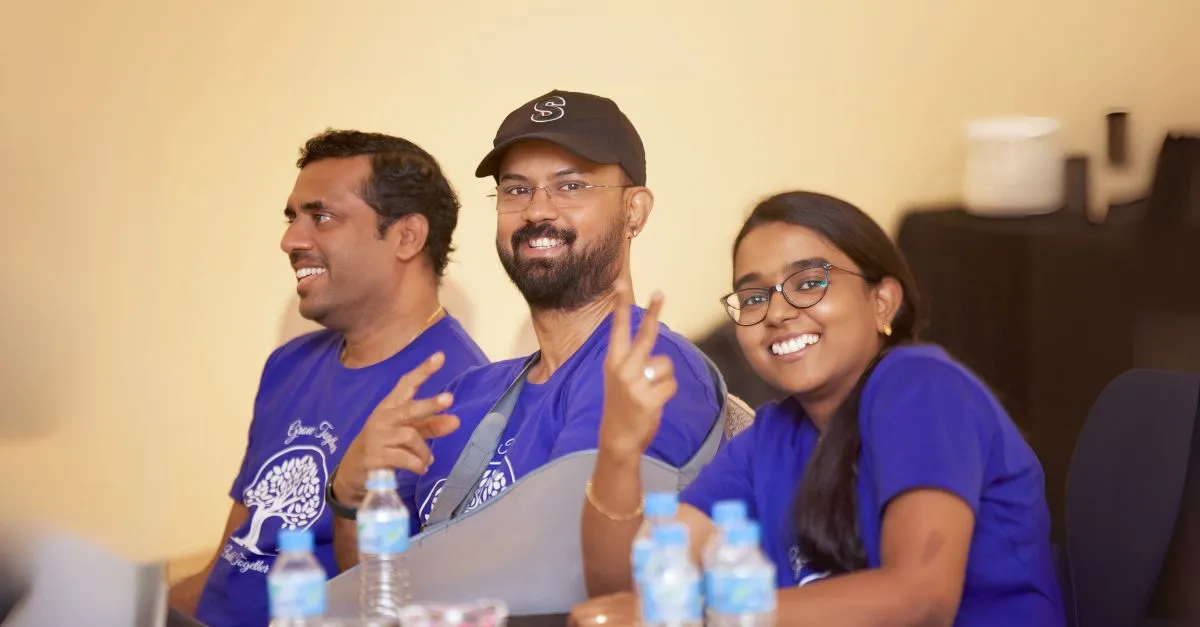
- Build routine points of connection, such as birthdays, team events, hackathons, and shared fitness sessions.
- Create pride in what the company stands for, including our long-term CSR work and our environmental commitments, such as being carbon neutral and being involved in the local community.
- Work on inclusion across teams. Bonding can form easily within a close group and still be weak across departments. We need to keep bridging those gaps.
3) The drive to comprehend
People want work that makes sense. They want to understand how their role fits, and they want chances to grow. When work feels meaningless or repetitive, motivation fades.
What we aim for:
- Purposeful, challenging assignments, not just “tasks”.
- Learning that is part of the job, through workshops, internal sharing, and structured improvement work.
- Space for curiosity. In software, the most dangerous phrase is “we have always done it this way”. Growth needs room.
We are proud of what we have built here. We also know we must keep refreshing the learning opportunities, or they become stale through our continuous learning programmes,
4) The drive to defend
People need to feel safe. They need to believe decisions are fair, that rules apply consistently, and that the organisation will not act in ways that undermine trust.
For us, this includes:
- Clear processes and ethical behaviour. Trust is easier to keep than to rebuild.
- Standards and audit discipline. We have been ISO 9001 certified for many years. In 2024, we pursued ISO 14001 and received certification from DNV.
- Transparency in decisions. Even unpopular decisions can be accepted if the reasoning is clear and consistent.
We also try to avoid turning values into slogans. The point is not to look good. The point is to do the work properly, and to involve people in it.
Why a holistic approach matters
The four drives work together. If you focus only on rewards, you may still have a culture where people feel isolated. If you focus only on bonding, people may still feel stuck in work that does not develop them. If you focus only on learning, people may still worry about unfair treatment.
The model is useful because it pushes leaders to look for imbalance. Motivation problems often come from one neglected drive, even when the others are strong.
The role of managers
Company policies help, but managers shape the day-to-day reality. They set tone, pace, and standards. They also decide how quickly issues are surfaced and handled.
In practice, that means managers need to be deliberate about:
- Recognition that is specific and timely
- Team habits that strengthen trust
- Work allocation that gives people growth, not just load
- Fairness in decisions and in how concerns are handled
We aim to support this through our, collaborative management style and an open-door approach, so that problems are addressed early, not after frustration has built up.
Continuous improvement
Motivation is not a one-off initiative. People’s needs change, teams change, and business conditions change. So we treat motivation as ongoing work.
For Gislen Software, the goal is simple:
- People should feel fairly treated
- They should feel connected
- They should feel stretched and developing
- They should feel safe and respected
When those basics are in place, good performance is far more likely to follow.
Conclusion

Understanding and meeting employees’ fundamental emotional drives enhances individual motivation, organisational success, and sustainability, benefiting everyone involved. At Gislen Software, our genuine commitment to employee motivation has resulted in low attrition and a team capable of consistently delivering high-value solutions. If you are looking for a reliable, motivated team to help your business thrive, we invite you to reach out and experience the Gislen Software difference firsthand.
Reference
Nohria, N., Groysberg, B., & Lee, L.-E. “Employee Motivation: A Powerful New Model”, Harvard Business Review, July–August (as published by HBR).
What is employee motivation, in simple terms?
Employee motivation is the set of conditions that makes people want to do good work consistently. It is shaped by daily experiences—fairness, recognition, meaningful work, and trust—more than by one-off initiatives. When those conditions are stable, performance usually follows.
Why is motivation harder when the world feels unsettled?
When markets, politics, and technology shift quickly, uncertainty rises and people conserve energy. In that environment, motivation doesn’t “look after itself” and needs deliberate leadership attention. Clear priorities, fairness, and predictable routines help people stay engaged.
What are the “four drives” behind employee motivation?
The article describes four emotional drives: Acquire (rewards and recognition), Bond (belonging and connection), Comprehend (learning and meaning), and Defend (safety and fairness). Motivation improves when these drives are balanced. Problems often appear when one drive is neglected.
What does the drive to acquire look like at work?
It’s the need to feel effort leads to fair outcomes—salary, promotion, recognition, responsibility, and trust. People disengage when rewards feel random or unclear. Clear expectations and transparent criteria make this drive easier to satisfy.
How can a company support the drive to acquire without only focusing on pay?
Use understandable performance expectations, recognise contributions, and increase transparency around decisions. Recognition and responsibility also signal trust. The key is that rewards feel fair and consistent, not arbitrary.
What does the drive to bond mean in a workplace?
Bonding is the feeling that you belong and are supported when work gets difficult. It is built through trust, shared habits, and genuine connection—not forced cheerfulness. Strong bonding improves collaboration and resilience.
What kinds of actions strengthen bonding across teams?
Routine points of connection like team events, shared rituals, and cross-team inclusion efforts help. Pride in company values and community commitments can also strengthen belonging. Bonding often needs intentional “bridges” between departments, not only within small groups.
What is the drive to comprehend, and why does it matter?
It’s the need for work to make sense and to feel personal growth. People stay motivated when they understand how their role contributes and when they learn continuously. Motivation fades when work feels meaningless, repetitive, or stagnant.
How can leaders make work feel more meaningful and growth-oriented?
Assign work that is purposeful and challenging, build learning into the job through workshops and internal sharing, and leave space for curiosity. Avoid a culture of “we’ve always done it this way.” Continuous learning needs refreshment to stay real.
What does the drive to defend mean in practice?
It’s the need to feel safe, respected, and treated fairly. People need consistent rules, ethical behaviour, and decisions they can understand—even when they disagree. Trust is easier to maintain than to rebuild.
Why is a holistic approach to motivation important?
The drives interact. Rewards alone won’t fix isolation, bonding won’t fix meaningless work, and learning won’t fix perceived unfairness. The model helps leaders spot imbalances and address the missing piece.
What role do managers play in sustaining motivation day to day?
Managers shape the lived experience—recognition, team habits, workload allocation, and fairness in handling concerns. Policies matter, but managers control pace and tone. Timely feedback and clear, consistent decisions reduce frustration and keep motivation stable.