Mobile Development – we build for a mobile first strategy

Customer journeys are now closely connected to mobile devices, making a strong mobile strategy an essential part of digital transformation. Today, businesses include mobile marketing, fulfilment, and customer service as critical to their digital commerce plans. Whether it’s B2C apps, where customers expect smooth mobile experiences, or B2B solutions that help field workers and professionals work efficiently while on the move, mobile functionality is no longer optional, it is essential.

Gislen Software bridges the gap between mobile transformation needs and real-world implementation by developing responsive websites, responsive web experiences and mobile-first applications. While many B2B applications remain desktop-focused, we increasingly adopt a mobile-first approach for cases where accessibility and usability on mobile devices are critical. Our solutions keep full desktop functionality while providing an optimised experience on all major mobile platforms.

Discover and design

  • We start by mapping the mobile journey properly: who the users are, where they will use the app, what they need to do quickly, and what can go wrong in real life.
  • We look at connectivity, devices, security, accessibility, and the back-office processes the app depends on.
  • Where it helps, we produce clickable prototypes so stakeholders can test the flow early.
  • This keeps the work grounded and avoids building a beautiful app that solves the wrong problem.

Build and integrate

  • Mobile apps rarely stand alone.
  • We build the app and connect it to the systems around it: product catalogues, order handling, user accounts, payments, notifications, analytics, and admin tools.
  • We develop native apps where performance or device features matter most, and cross-platform apps where speed-to-market and shared code make sense.
  • We also build responsive and progressive web apps when a browser-first approach is the better fit.
  • The goal is always the same: a solution that is stable, maintainable, and easy to extend.

Run in the real world

  • The hardest part of mobile is not the happy path, it is the messy day-to-day.
  • We build for unreliable networks, background sync, safe retries, and clear error handling, especially for field work and event use.
  • We set up monitoring and diagnostics so issues can be found and fixed quickly, and we help with release management so updates do not become a fire drill.
  • If you need ongoing support, we maintain the app and keep dependencies and platform changes under control.

Selecting the Right Mobile Development Framework

The right technology is crucial for building high-performance, scalable, and user-friendly mobile applications. At Gislen Software, we use native and cross-platform technologies to balance performance, cost-effectiveness, and maintainability. These include Swift (iOS), Kotlin/Java (Android), and cross-platform technologies such as React Native, Flutter, and .NET MAUI. We also develop HTML5 Web apps. Our expertise goes beyond standard mobile apps. We have built offline-capable solutions for access control, exhibitor management, and field workers who often work in places with little or no internet connection. These apps allow users to report incidents, access data, and complete tasks even when they are offline, helping to keep business operations running smoothly at all times. Whether enhancing customer engagement in hospitality, streamlining operations for field workers, or delivering seamless e-commerce experiences, we focus on reliability, efficiency, and user experience to help our clients succeed in an increasingly mobile-driven world.

The best technology for your mobile application depends on several factors, including performance requirements, budget, and long-term scalability. Whether you need a high-performance native app, a cost-effective cross-platform solution, or a lightweight web app, Gislen Software has the expertise to guide you through the right approach and deliver a high-quality mobile experience.

Strong mobile development capability

Choosing the right approach

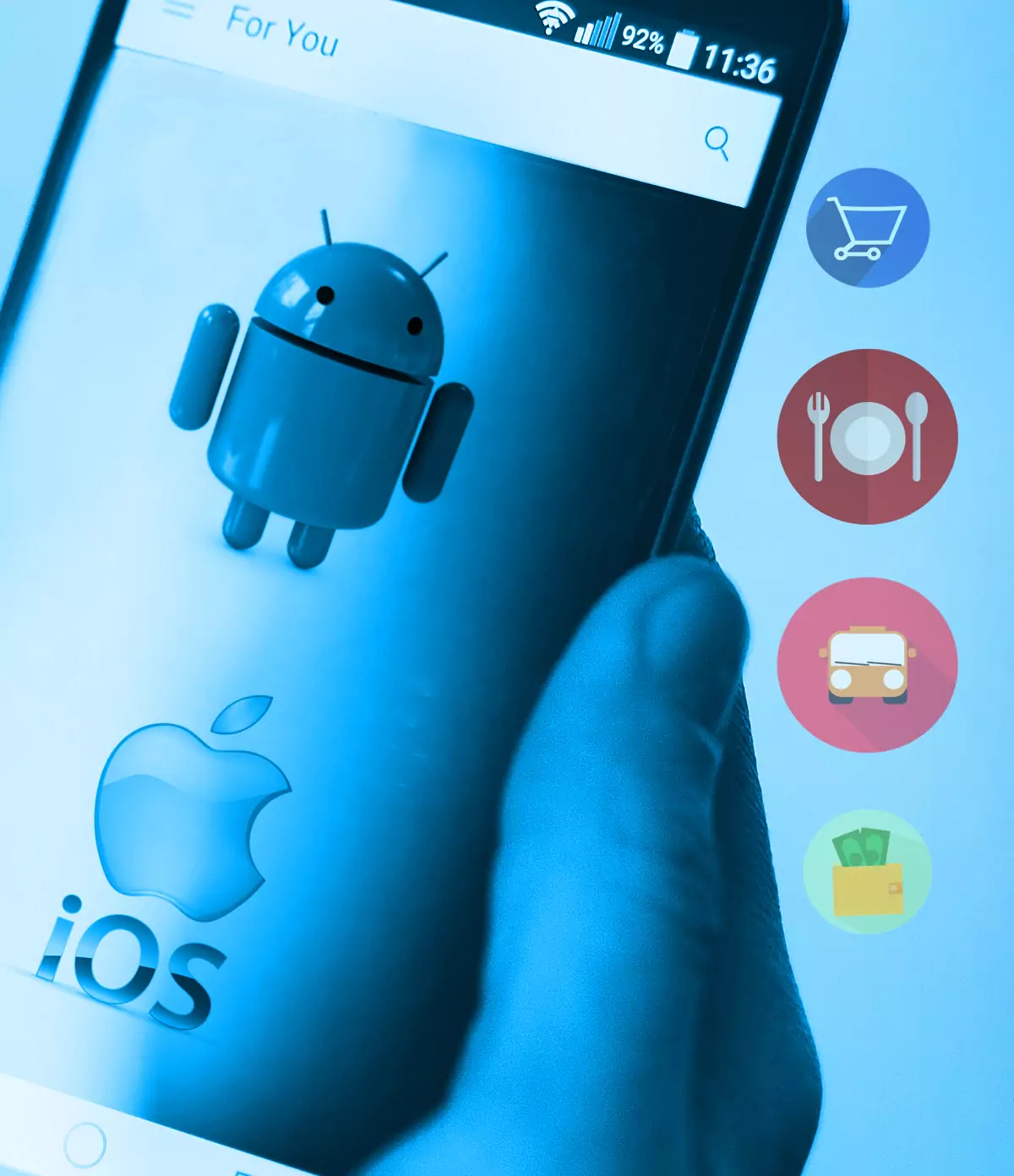
The right technology is crucial for developing mobile applications that deliver a smooth, reliable, and engaging user experience. At Gislen Software, we work with various technologies to ensure that our clients get the best solution for their needs, whether it’s a native app for iOS or Android, a cross-platform application, or a responsive web-based solution.

Native Mobile Apps (iOS and Android)

Native apps are developed specifically for a single platform—iOS (Apple) or Android (Google)—using their respective programming languages, Swift for iOS and Kotlin or Java for Android. These apps offer the best performance, take full advantage of device-specific features, and provide the most seamless user experience. They are ideal when an app requires high-speed processing, advanced animations, or deep integration with the hardware (such as cameras, GPS, or sensors).

Cross-Platform Development (React Native, Flutter, and .NET MAUI)

Many businesses need mobile apps that run on both iOS and Android without having to develop separate versions. This is where cross-platform technologies come in. They allow us to build apps that work across multiple devices using a single codebase, which saves time and reduces development costs.

  • React Native (by Meta) – A widely used framework that allows us to build high-performance mobile apps using JavaScript and React with a near-native look and feel.
  • Flutter (by Google) – A fast-growing technology that uses the Dart programming language to create visually stunning apps with smooth animations and excellent performance.
  • .NET MAUI (by Microsoft) – Allowing .NET developers to create cross-platform apps for iOS, Android with shared code. (MAUI is Microsoft’s successor to Xamarin.Forms).

These technologies are perfect for companies that want to reach iOS and Android users quickly without compromising quality.

Progressive Web Apps – PWAs

Not all mobile experiences require users to download an app. Web apps and Progressive Web Apps (PWAs), run in a browser but behave like mobile apps. They can be accessed instantly, work offline to some extent, and provide a cost-effective way to deliver a mobile-friendly experience. PWAs are ideal for businesses that want to offer app-like functionality without requiring users to install an application from the App Store or Google Play.

Gislen Software has strong experience in mobile development. We build reliable and scalable mobile apps designed to meet the needs of different industries.

Our work with Dineflow, a Swedish restaurant automation solution, highlights our ability to create easy-to-use mobile ordering apps that connect smoothly with backend systems for real-time updates, payments, and personalised marketing.

Beyond restaurant technology, we have developed mobile apps for access control and exhibitor management at conferences for EACTS and for our own product Confexa. We also build solutions for field workers who often work in areas with little or no internet access. Our offline-capable apps allow users to report incidents, access important information, and complete key tasks even when offline, helping businesses to keep running without interruption.

We have also supported BeeScanning in developing its AI-based app, which identifies parasites in beehives.

Whether we are helping create smooth customer experiences in hospitality or supporting workers in remote areas, we always design our mobile solutions with reliability, efficiency, and user experience in mind.

What do you mean by a “mobile-first strategy”?

A mobile-first strategy means designing the customer or worker journey for a phone screen and real mobile conditions first (small display, touch input, interruptions, variable connectivity). The desktop experience is then extended from that foundation, rather than squeezed down afterwards.

Do we need a mobile app, or will a responsive website be enough?

It depends on the job the user is trying to do. If people need quick repeat use, offline access, camera/GPS features, or push notifications, an app is often the right choice. If the main goal is browsing, content, and simple transactions, a responsive site or PWA can be enough.

What is the difference between native and cross-platform mobile development?

Native apps are built separately for iOS and Android using platform-specific tools and languages. Cross-platform apps share much of the code across both platforms, which can reduce cost and speed up delivery. The best option depends on performance needs, device features, and long-term maintenance.

When should we choose Swift and Kotlin/Java?

Native development is a good fit when you need the best performance, complex animations, heavy use of device features, or when platform-specific user experience matters. It is also a sensible choice if you already have strong in-house expertise in iOS or Android.

When do React Native, Flutter, or .NET MAUI make sense?

Cross-platform frameworks work well when you want one product experience across iOS and Android, and your requirements are not deeply tied to a single platform. They are often a practical choice for business apps, customer apps with standard UI patterns, and products that need to ship changes frequently.

What is a PWA, and what are its limitations?

A Progressive Web App runs in a browser but can feel app-like and can support some offline behaviour. PWAs are useful when you want low friction for users (no app store install) or fast deployment. Limitations can include reduced access to certain device features and differences in behaviour across platforms.

Can you build mobile apps that work offline?

Yes. We can design offline-capable apps that let users continue working without a reliable connection, then sync safely when the network returns. This is common for field work, events, and environments with patchy coverage.

How do you handle security for mobile apps?

We design security around the full solution, not just the app. That includes sensible authentication, secure storage of sensitive data, encrypted communication, role-based access, and audit trails where needed. We also plan for lost devices and account recovery.

How do you integrate the app with our existing systems?

We connect mobile apps to the systems that run the business, such as product catalogues, order handling, customer records, payments, and reporting. We usually do this through APIs and event-driven updates, and we make sure failures are handled cleanly so the app does not become unreliable.

How do you make sure the app performs well?

We focus on the basics that users feel: fast startup, responsive screens, efficient data loading, and predictable behaviour. We also test on real devices, not only emulators, and we pay attention to battery use, network usage, and older phone models where relevant.

What do you do about accessibility and usability?

We design flows that are easy to understand and use, and we consider accessibility early so it is not an expensive retrofit. That includes readable text, clear contrast, touch targets, keyboard and screen-reader support where applicable, and consistent navigation patterns.

What happens after launch?

Mobile platforms and dependencies change regularly, so ongoing care matters. We can provide monitoring, diagnostics, and a maintenance plan for updates, security patches, and improvements. We also help with release management so updates are controlled rather than stressful.

Contact us to discuss how we can help you