
Our main business is Software Development. We develop, support, and maintain quality software solutions to the highest industry standards today and in the future. We work collaboratively with our clients to meet their business imperatives, prioritising constant communication and high levels of transparency. Our clients require flexibility and open-mindedness, and we develop new software from scratch, re-engineer existing software, or migrate software to new platforms or architectures. We ensure that every software solution is thoroughly tested and conforms to every requirement.
We contribute from the start of a project through its conclusion. Our business analysts provide analysis, pre-studies, and design. We use agile methodologies whenever appropriate and proven development processes to reduce risk. Continuous collaboration with our clients helps us ensure that all project goals are met.
As a service business, we know that the client always comes first, and we set out to be flexible and responsive. To achieve this, we have set up internal controls to ensure we complete even the most complex development projects on time and budget. The following short articles describe a range of projects we have completed recently. We are happy to discuss these in more detail to give insight into our approach and the results that can be achieved.
Case Studies
In the following short articles, we describe a range of projects we have worked on – our Success Stories! We are happy to discuss these in more detail to give insight into our approach and the results that can be achieved.

From Access to web – modern system for lift inspections
Hissbesiktningar made the transition from an ageing Access system to a modern web platform. The result transformed their business. Smoother inspections, better data quality and a new iPad app with offline functionality made a huge difference from day one. Read more about how we helped Hissbesiktningar with their digital modernisation from MS Access to web and app.

Skin and Tonic – building a successful e-Commerce platform
Skin & Tonic, an organic skincare pioneer, partnered with Gislen Software to redefine its digital strategy. This collaboration, driven by innovation and strategic insight, led to the creation of a cutting-edge eCommerce platform, showcasing the combined expertise of both companies.

BeeScanning – A Revolutionary Tool for Beekeepers
BeeScanning, designed to help beekeepers manage parasite threats and maintain healthy bee colonies, partnered with Gislen Software to enhance its design, performance, and eliminate bottlenecks. These improvements have greatly enhanced the user experience and boosted customer satisfaction.

Planter – helping gardening professionals to succeed
We have optimised and enhanced Planter, a tool designed for gardening professionals. We improved operational efficiencies, introduced new features, and delivered quality-assured, sustainable solutions. Planter is now revolutionising the gardening industry. Read about the mutually beneficial partnership between Planter Norden AB and Gislen Software AB!
Clarendo – Building a Tool for Management Systems
Clarendo helps companies and organisations implement and run cost-effective certification management systems. Clarendo’s clients use Clarendo’s expertise, consultancy services and its innovative IT tools (TIM) to certify their businesses according to ISO 9001, ISO 14001, OHSAS 18001 and many other management standards/systems.
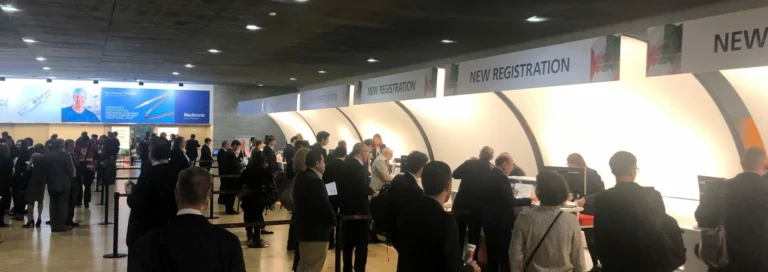
European Association for Cardio Thoracic Surgery
EACTS needed a better way to manage its large annual conference, training programmes, memberships, and events. We worked closely with EACTS to design and build a bespoke event and conference management system tailored to their needs. The result was a flexible platform that simplified registration, memberships, payments, reporting, and event administration.

Epical Group – World class blended Integration Services
In 2012, Scandinavian Airlines sought a provider with Swedish and Indian developers, sparking a long-term partnership between Epical and Gislen Software. Together, we’ve delivered projects for major Swedish companies like Scandinavian Airlines, PostNord, ABB, and Swedish Match, offering a robust blended delivery model for integration platform development and support.
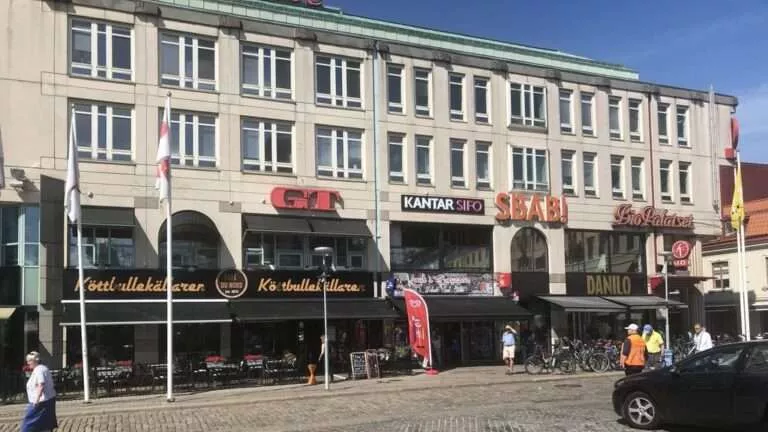
Kantar Sifo – Developing World class Market Research Software
Gislen Software has worked with Kantar-Sifo on many projects since 2005. We started working with Orvesto but since then we have also worked with other business areas such as Employee Research and PR Research. We have worked with business and requirement analysis, development, performance tuning and testing.
Dineflow – Mobile Ordering helping restaurants automate
A revolutionary restaurant solution that transforms dining experiences by enabling customers to order and pay seamlessly through an app. The app provides the convenience of having food and drinks delivered directly to the table, ready for takeaway, or brought home. The solution enhances efficiency, customer engagement, and loyalty.

Fara ASA – Public Transportation
A team of three Indians and a Swede were sent to Trondheim and worked together with Q-Frees staff. The product to be developed was based on requirements from five different clients. The Onsite team went through requirements and analysed different parts which should Fara be outsourced to India.
FAQs: Software Development Success Stories
What are software development success stories?
Software development success stories are documented case studies that illustrate how bespoke technology solutions, agile methodologies, and strategic consulting solve complex business challenges. These stories highlight the transition from outdated legacy systems to modern architectures, ensuring that the software conforms to every industry requirement while staying on time and within budget.
How does a case study demonstrate software migration success?
A case study demonstrates software migration success by showing the tangible improvements gained when transitioning from ageing platforms, such as MS Access, to modern web and mobile environments.
- Operational Impact: Smoother inspection processes and improved data quality.
- Technological Shift: The introduction of offline-capable mobile apps for field workers.
- Business Transformation: Converting manual or restrictive processes into scalable digital workflows.
What is the value of bespoke eCommerce platforms for retail growth?
The value of bespoke eCommerce platforms for retail growth lies in the creation of a tailored digital strategy that addresses specific brand needs rather than using generic templates. For organic pioneers like Skin & Tonic, this involves:
- Innovation: Implementing cutting-edge features that redefine the user journey.
- Strategic Insight: Aligning the technical build with the long-term commercial goals of the brand.
- User Experience: Enhancing performance and design to boost customer loyalty and sales.
How can industry-specific mobile apps solve complex problems?
Industry-specific mobile apps solve complex problems by integrating advanced technologies like AI and sensor data to address niche challenges, such as parasite threats in beekeeping (BeeScanning).
- Performance Optimization: Eliminating technical bottlenecks to ensure real-time results.
- Design Excellence: Crafting interfaces that work effectively in challenging environments.
- Measurable Results: Significantly boosting customer satisfaction through functional reliability.
What are the results of optimizing tools for professional industries?
The results of optimizing tools for professional industries include improved operational efficiency and the delivery of sustainable, quality-assured solutions. In sectors like professional gardening (Planter), this transformation involves:
- Feature Enhancement: Introducing new, professional-grade capabilities to existing tools.
- Efficiency Gains: Reducing time-intensive manual tasks through software automation.
- Market Leadership: Revolutionizing industry standards through mutually beneficial technical partnerships.
How does a blended integration model support enterprise operations?
A blended integration model supports enterprise operations by combining local strategic presence with global technical competency to provide 24/7 assistance. Collaborations like the one between Epical Group and Gislen Software demonstrate success through:
- Robust Delivery: Shared development between Swedish and Indian specialists.
- Scalability: Supporting major enterprises such as Scandinavian Airlines, PostNord, ABB, and Swedish Match.
- Continuous Support: Managing complex integration platforms without operational disruption.
What features are included in custom event management systems?
Custom event management systems are designed to simplify the administration of large-scale programmes, memberships, and international conferences. Success stories from associations like EACTS highlight key features:
- Simplified Registration: Bespoke flows for event and training programme sign-ups.
- Integrated Payments: Secure handling of global membership and event fees.
- Reporting Tools: Advanced data analysis for administrative and financial transparency.
How is high-performance market research software developed?
High-performance market research software is developed through long-term partnerships that prioritize requirement analysis, performance tuning, and rigorous testing. For global leaders like Kantar Sifo, this includes:
- Niche Expertise: Addressing specific research areas such as Employee, PR, and Orvesto research.
- Technical Depth: Tuning systems to handle massive datasets with world-class speed.
- Continuous Evolution: Maintaining and upgrading software across decades of changing market needs.
What are the benefits of mobile ordering systems for restaurants?
Mobile ordering systems for restaurants enhance the dining experience by enabling customers to order and pay seamlessly through a dedicated application. These solutions provide:
- Operational Efficiency: Automating the order-to-delivery flow for takeaway or table service.
- Engagement: Driving customer loyalty through personalized marketing and ease of use.
- Business Transformation: Helping food service providers automate manual interactions to focus on quality.
How do P2P lending platforms ensure security in Fintech?
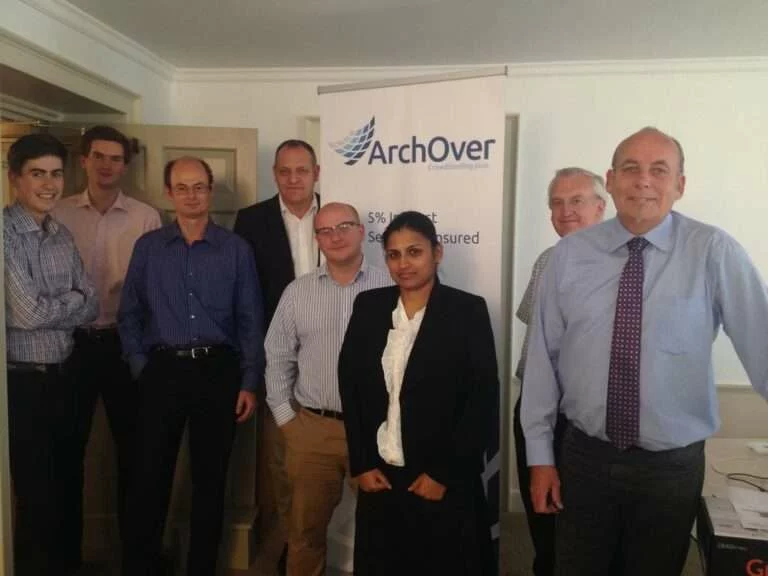
P2P lending platforms ensure security in Fintech by leveraging agile methodologies and stringent security practices to build secure, scalable solutions. In the case of ArchOver, this technical foundation facilitated:
- Financial Scale: Supporting the facilitation of over £110M in business loans.
- Technical Trust: Connecting lenders and businesses via a transparent, high-integrity platform.
- User Confidence: Redefining the lending landscape with stable and user-friendly technology.
How does public transportation software facilitate regional travel?
Public transportation software facilitates regional travel by centralizing requirements from multiple clients into a unified Automatic Fare Collection system. The project with Fara ASA demonstrates:
- Regional Integration: Simplifying travel across multiple counties and even borders (Norway and Sweden).
- Complex Analysis: Evaluating hundreds of requirements to build a cohesive product.
- Global Delivery: Using onsite-offshore teams to maintain high quality and local relevance.
Why is agile methodology critical for digital transformation projects?
Agile methodology is critical for digital transformation projects because it prioritizes constant communication and transparency, which reduces technical risk. By re-engineering existing software or building from scratch in iterative steps, businesses can:
- Adapt Quickly: Respond to changing market requirements during the development phase.
- Control Budgets: Ensure that even complex projects are completed on time and within financial constraints.
- Verify Requirements: Constantly test the solution to ensure it conforms exactly to the business goals.